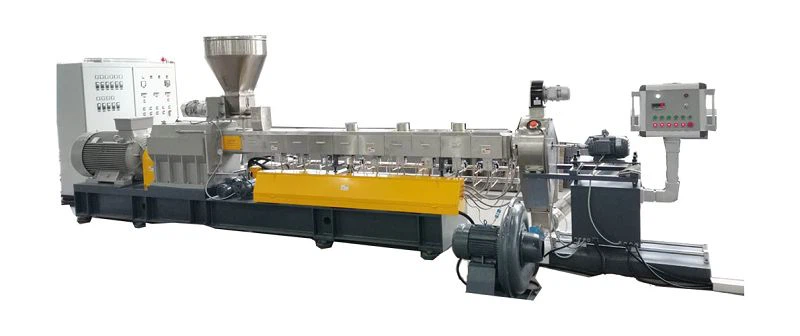
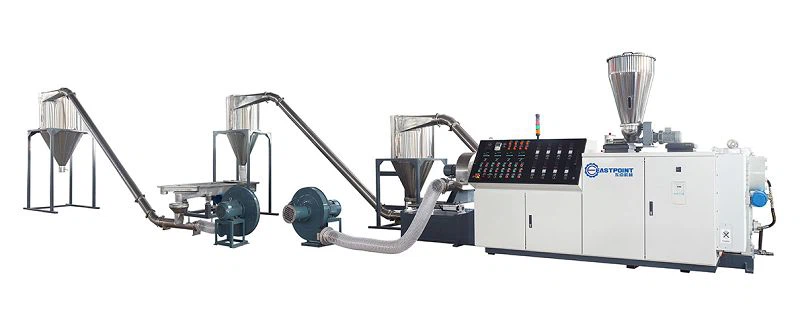
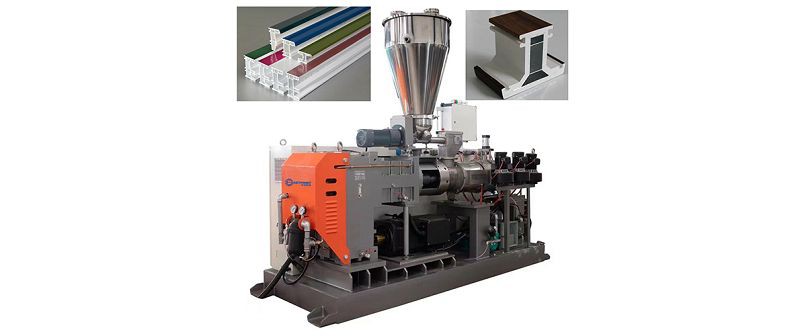
As a supplier of PE Pipe Extrusion Lines, I often encounter inquiries from customers regarding the pipe calibration process in our equipment. This process is crucial for ensuring the quality and precision of the PE pipes produced. In this blog, I will delve into the details of the pipe calibration process in a PE pipe extrusion line, explaining its significance, steps, and the key factors that influence it.
Significance of Pipe Calibration in PE Pipe Extrusion
The calibration process is a vital step in the PE pipe extrusion process. It determines the final dimensions, roundness, and surface quality of the pipes. Precise calibration is essential for meeting the strict industry standards and customer requirements. Well - calibrated pipes have consistent wall thickness, which is crucial for their structural integrity, especially in applications where the pipes are subjected to internal or external pressures. Moreover, pipes with accurate dimensions fit better during installation, reducing the likelihood of leaks and ensuring a longer service life.
The Pipe Calibration Process in a PE Pipe Extrusion Line
1. Extrusion of the Pipe Blank
The process begins with the extrusion of the PE pipe blank. The raw PE material is fed into the extruder, where it is heated and melted. The molten PE is then forced through a die, which gives the pipe its initial shape. At this stage, the extruded pipe is in a semi - molten state, with a relatively large diameter and uneven surface.
The extrusion process is highly dependent on the settings of the extruder, such as temperature, pressure, and screw speed. These parameters need to be carefully adjusted to ensure a uniform flow of the molten PE and to prevent issues like melt fracture or uneven wall thickness in the extruded pipe blank.
2. Entering the Calibration Sleeve
Once the pipe blank is extruded, it enters the calibration sleeve. The calibration sleeve is a precisely machined component that is designed to cool and shape the pipe to its desired dimensions. The inner diameter of the calibration sleeve is slightly larger than the final outer diameter of the pipe.
As the hot pipe blank enters the calibration sleeve, a cooling medium, usually water, is circulated around the sleeve. The water cools the outer surface of the pipe rapidly, causing it to solidify. This rapid cooling helps to maintain the shape of the pipe and prevents it from deforming due to its own weight or external forces.
3. Vacuum Calibration
In addition to the cooling effect of the calibration sleeve, vacuum calibration is often employed to ensure a tight fit between the pipe and the sleeve. The calibration sleeve is connected to a vacuum system, which creates a negative pressure around the pipe. This negative pressure pulls the pipe against the inner wall of the calibration sleeve, ensuring that the pipe takes on the exact shape of the sleeve.
Vacuum calibration is particularly important for achieving high - precision pipes with a smooth outer surface. It helps to eliminate any air gaps between the pipe and the sleeve, which could otherwise lead to surface defects or dimensional inaccuracies.
4. Sizing and Cooling
After passing through the calibration sleeve, the pipe continues to be cooled and sized in a cooling tank. The cooling tank is filled with water, which further cools the pipe to room temperature. The length and temperature of the cooling tank are carefully controlled to ensure that the pipe cools evenly and does not develop internal stresses.
During the cooling process, the pipe also undergoes a slight reduction in diameter due to the contraction of the PE material. This reduction is taken into account during the design of the calibration sleeve and the extrusion process to ensure that the final pipe dimensions meet the specifications.

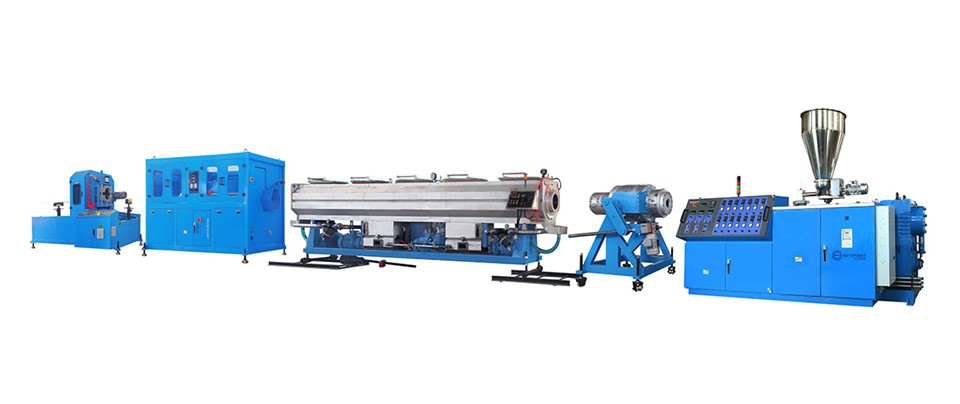
5. Quality Inspection
Once the pipe has been cooled and sized, it undergoes a series of quality inspections. These inspections include measurements of the outer diameter, wall thickness, and roundness of the pipe. Non - destructive testing methods, such as ultrasonic testing, may also be used to detect any internal defects in the pipe.
If the pipe fails to meet the quality standards, it may be re - processed or discarded. Quality control is an integral part of the pipe calibration process, as it ensures that only high - quality pipes are delivered to the customers.
Key Factors Influencing the Pipe Calibration Process
1. Material Properties
The properties of the PE material used in the extrusion process have a significant impact on the calibration process. Different grades of PE have different melt flow indices, densities, and thermal expansion coefficients. These properties affect the way the material behaves during extrusion and cooling, and therefore need to be considered when setting up the calibration parameters.
For example, a PE material with a high melt flow index may require a different calibration temperature and vacuum level compared to a material with a low melt flow index.
2. Extrusion Conditions
The extrusion conditions, such as temperature, pressure, and screw speed, also play a crucial role in the calibration process. If the extrusion temperature is too high, the pipe may be too soft and difficult to calibrate. On the other hand, if the temperature is too low, the material may not flow smoothly through the die, resulting in uneven wall thickness or surface defects.
The pressure and screw speed affect the flow rate of the molten PE, which in turn affects the diameter and wall thickness of the extruded pipe. These parameters need to be carefully adjusted to ensure a consistent and uniform extrusion process.
3. Calibration Equipment Design
The design of the calibration sleeve and the vacuum system is another important factor. The calibration sleeve should be made of a high - quality material with good thermal conductivity to ensure efficient cooling. The inner surface of the sleeve should be smooth and precisely machined to ensure a perfect fit with the pipe.
The vacuum system should be capable of creating a stable and uniform negative pressure around the pipe. Any fluctuations in the vacuum level can lead to uneven calibration and surface defects in the pipe.
Our PE Pipe Extrusion Lines and Calibration Technology
At our company, we offer a range of PE Pipe Producing Line that are equipped with advanced calibration technology. Our calibration sleeves are made of high - grade materials and are precisely engineered to ensure accurate and consistent pipe dimensions.
We also provide HDPE Pipe Extrusion Line that are specifically designed for the production of high - density polyethylene pipes. These lines incorporate state - of - the - art vacuum calibration systems and cooling tanks to ensure the highest quality pipes.
In addition to PE and HDPE pipes, we also offer PVC Pipe Machine and PVC Pipe Producing Line for customers who require PVC pipes. Our PVC pipe production equipment also includes advanced calibration processes to ensure the quality of the PVC pipes.
If you are in the market for a PE Pipe Production Line, our team of experts can provide you with detailed information and guidance on the pipe calibration process. We understand the importance of producing high - quality pipes, and we are committed to providing you with the best equipment and support to meet your needs.
Conclusion
The pipe calibration process in a PE pipe extrusion line is a complex and critical step that determines the quality and precision of the final pipes. By understanding the significance, steps, and key factors of the calibration process, customers can make informed decisions when choosing a PE pipe extrusion line.
If you are interested in learning more about our PE pipe extrusion lines or have any questions about the pipe calibration process, please feel free to contact us. Our team is ready to assist you in finding the right solution for your pipe production needs.