Hey there! I'm a supplier of WPC Door Extruders, and I know how crucial it is for our customers to have doors with excellent color stability. In this blog, I'll share some tips on how to improve the color stability of the doors produced by a WPC Door Extruder.
Understanding the Basics of Color Stability in WPC Doors
First off, let's talk about what color stability means in the context of WPC (Wood Plastic Composite) doors. Color stability refers to the ability of the door to maintain its original color over time, even when exposed to various environmental factors like sunlight, heat, and humidity. When a door loses its color stability, it can fade, discolor, or develop unsightly stains, which can significantly affect its aesthetic appeal and market value.
The color of WPC doors comes from the pigments and additives used during the extrusion process. These pigments are responsible for giving the doors their vibrant and long - lasting colors. However, several factors can cause the color to degrade over time.
Factors Affecting Color Stability
-
UV Radiation: Sunlight contains ultraviolet (UV) radiation, which is a major culprit in color fading. When WPC doors are exposed to sunlight, the UV rays can break down the chemical bonds in the pigments, causing them to lose their color. This is especially true for doors installed in areas with high sunlight exposure, like outdoor patios or south - facing entrances.
-
Temperature and Humidity: Extreme temperatures and high humidity can also have a negative impact on color stability. High temperatures can cause the plastic in the WPC to expand, which may lead to the pigments being displaced or damaged. On the other hand, high humidity can promote the growth of mold and mildew, which can stain the door and cause discoloration.
-
Quality of Pigments and Additives: The quality of the pigments and additives used in the WPC door production process plays a crucial role in color stability. Low - quality pigments may not be as resistant to UV radiation, heat, and humidity, leading to faster color degradation.
-
Extrusion Process: The extrusion process itself can affect color stability. If the temperature, pressure, or speed during extrusion is not properly controlled, it can cause uneven dispersion of pigments, resulting in color variations and reduced stability.
Tips to Improve Color Stability
- Use High - Quality Pigments and UV Stabilizers
- Invest in high - quality pigments that are specifically designed for WPC applications. These pigments are formulated to be more resistant to UV radiation and other environmental factors.
- Add UV stabilizers to the WPC formulation. UV stabilizers work by absorbing or reflecting the UV rays, preventing them from reaching the pigments and causing damage. There are different types of UV stabilizers available, such as hindered amine light stabilizers (HALS), which are very effective in protecting against UV degradation.
- Optimize the Extrusion Process
- Ensure that the extrusion temperature is set correctly. Too high a temperature can cause the pigments to break down, while too low a temperature may result in poor dispersion. Work closely with your WPC Door Extruder supplier to find the optimal temperature range for your specific formulation.
- Control the pressure and speed during extrusion. Consistent pressure and speed will help ensure that the pigments are evenly distributed throughout the WPC material, leading to more uniform color and better stability.
- Surface Treatment
- Apply a protective coating to the surface of the WPC doors. A good coating can act as a barrier against UV radiation, moisture, and other environmental elements. There are various types of coatings available, such as acrylic coatings, which can provide excellent UV protection and enhance the overall appearance of the doors.
- Use a primer before applying the coating. A primer helps the coating adhere better to the door surface and can also improve the durability of the coating.
- Proper Storage and Installation
- Store the WPC doors in a cool, dry place before installation. Avoid exposing them to direct sunlight or extreme temperatures for extended periods.
- During installation, make sure the doors are properly sealed and installed in a way that prevents moisture from seeping in. This will help maintain the color stability of the doors over time.
The Role of Our WPC Door Extruder in Color Stability
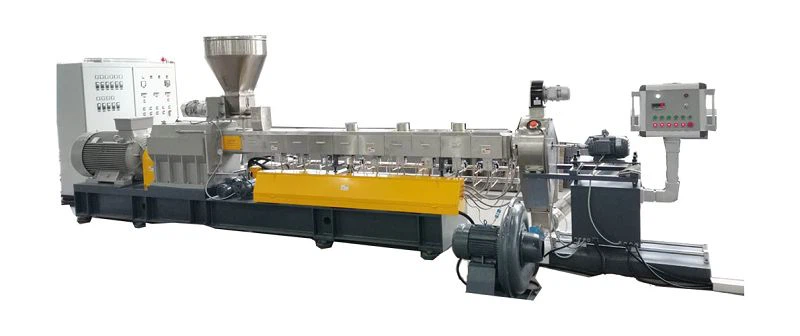
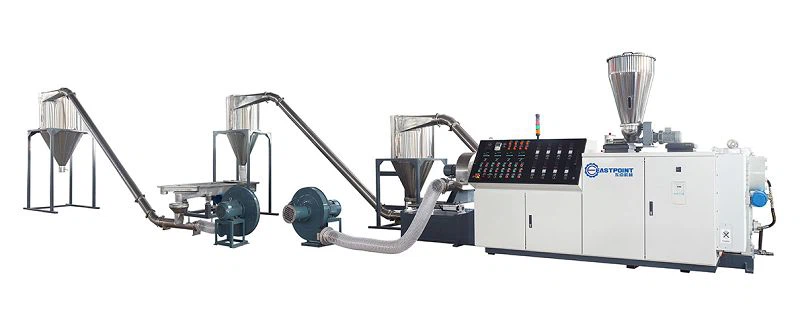
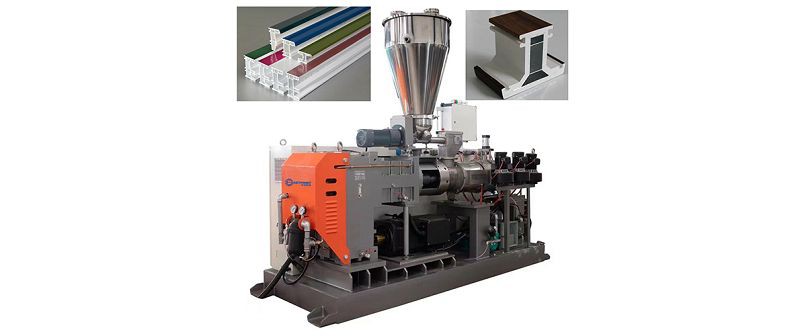
Our WPC Door Extruder is designed to provide precise control over the extrusion process, which is essential for achieving good color stability. It allows for accurate adjustment of temperature, pressure, and speed, ensuring that the pigments are evenly dispersed throughout the WPC material.


In addition, our extruder is compatible with a wide range of high - quality pigments and additives, giving you the flexibility to choose the best options for your specific color stability requirements. Whether you're looking for a door that can withstand harsh outdoor conditions or a more subtle indoor finish, our extruder can help you achieve the desired results.
Other Related Products
If you're also interested in other types of extrusion lines, we have some great options for you. Our Foamed Panel Extrusion Line is perfect for producing lightweight and durable foamed panels. The PVC Door Panel Extrusion Line is ideal for creating high - quality PVC door panels. And our WPC Panel Extruder and Wood Plastic Machine offer more versatility in producing different types of wood - plastic composite products.
Contact Us for More Information
If you're looking to improve the color stability of your WPC doors or are interested in our extrusion equipment, don't hesitate to reach out. We're here to help you find the best solutions for your production needs. Whether you have questions about our products, need technical support, or want to discuss a potential purchase, we're just a message away.