Yo, fellow industry enthusiasts! I'm a supplier of WPC Panel Extruder, and today I wanna chat about the temperature distribution in the extrusion process of a WPC panel extruder.
Let's first break down what WPC is. Wood Plastic Composites (WPC) are a pretty cool material. They combine wood fibers or flour with thermoplastics, creating a product that has the look and feel of wood but with the durability and workability of plastic. And that's where our WPC panel extruders come in super handy.
The Basics of the Extrusion Process
The extrusion process is like a well - choreographed dance. It starts with feeding the raw materials, which are a mix of wood and plastic, into the extruder. The extruder then heats, melts, and shapes these materials into the desired panel form. Temperature is a key player in this whole process.
The temperature distribution along the extruder barrel is crucial. It's not just about heating the materials to a certain point; it's about having the right temperature at each step of the way. There are generally three main zones in an extruder barrel: the feeding zone, the compression zone, and the metering zone.
In the feeding zone, the raw materials are first introduced. The temperature here is relatively low. We don't want to melt the materials right away; we just want to start softening them up a bit. This low - temperature environment also helps in preventing the wood fibers from burning. If the temperature is too high in this zone, the wood fibers can char, which will affect the quality of the final WPC panel.
As we move to the compression zone, the temperature starts to rise. This is where the magic of melting really happens. The increasing temperature and pressure work together to fully melt the plastic component and further mix it with the wood fibers. The temperature in this zone needs to be carefully controlled. If it's too low, the plastic won't melt completely, and you'll end up with unevenly mixed materials. On the other hand, if it's too high, the wood fibers can start to degrade, leading to a weak and discolored final product.


Finally, in the metering zone, we maintain a stable and relatively high temperature. This zone is responsible for ensuring a consistent flow of the molten WPC material towards the die. The temperature here is set to keep the material in a proper viscous state so that it can be easily shaped into the panel when it passes through the die.
Factors Affecting Temperature Distribution
A bunch of factors can mess with the temperature distribution in a WPC panel extruder. One of the biggest ones is the type of raw materials. Different plastics have different melting points. For example, polyethylene (PE) has a lower melting point compared to polypropylene (PP). So, if you're using a different plastic in your WPC mix, you'll need to adjust the temperature settings accordingly.
The wood fiber content also matters. Higher wood fiber content means you have to be more careful with the temperature. Wood fibers are more sensitive to heat than plastics. If there's a large amount of wood fibers in the mix, you need to make sure the temperature doesn't get too high to avoid burning them.
The screw design in the extruder is another crucial factor. The screw is what moves the materials through the barrel, and its design can affect how the materials are heated and mixed. A well - designed screw can help in creating a more uniform temperature distribution. For example, a screw with a proper pitch and flight depth can ensure that the materials are exposed to heat for the right amount of time at each zone.
The speed of the extruder also plays a role. If the extruder is running at a high speed, the materials will pass through the barrel more quickly. This means you might need to increase the temperature to make sure the materials are fully melted and mixed. Conversely, at a lower speed, you can have a slightly lower temperature because the materials have more time to absorb heat.
Measuring and Controlling Temperature
So, how do we keep an eye on the temperature distribution? We use temperature sensors. These sensors are placed at different points along the extruder barrel. They constantly monitor the temperature and send the data to a control system.
The control system is like the brain of the extruder. It takes the temperature readings from the sensors and adjusts the heating elements accordingly. If the temperature in a certain zone is too low, the control system will increase the power to the heating elements in that zone. If it's too high, it'll reduce the power.
There are also some advanced control techniques that we can use. For example, PID (Proportional - Integral - Derivative) control. This type of control uses a mathematical algorithm to calculate the exact amount of adjustment needed for the heating elements. It takes into account the current temperature, the desired temperature, and the rate of change of temperature. This helps in achieving a more precise and stable temperature distribution.
Importance of Proper Temperature Distribution
Getting the temperature distribution right is super important for the quality of the WPC panels. If the temperature is too low in some parts of the extruder, the plastic won't melt completely, and the panel will have a rough surface and poor mechanical properties. You might see areas where the plastic and wood fibers are not well - mixed, which can lead to weak spots in the panel.
On the other hand, if the temperature is too high, the wood fibers will degrade. This not only affects the appearance of the panel but also its strength. A panel with degraded wood fibers will be more prone to cracking and breaking.
Proper temperature distribution also affects the production efficiency. When the temperature is well - controlled, the extruder can run smoothly without any blockages or malfunctions. This means less downtime for maintenance and more panels produced in a given time.
Our WPC Panel Extruders
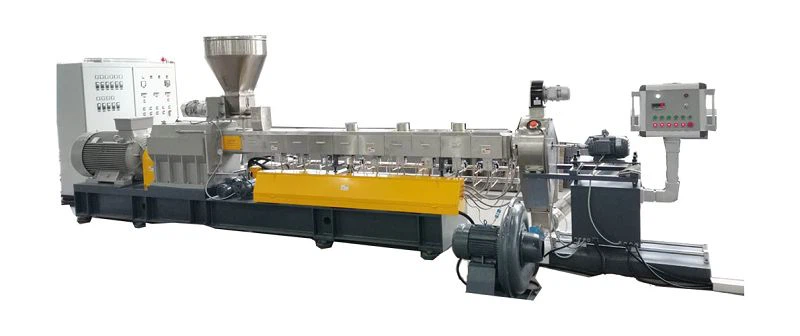
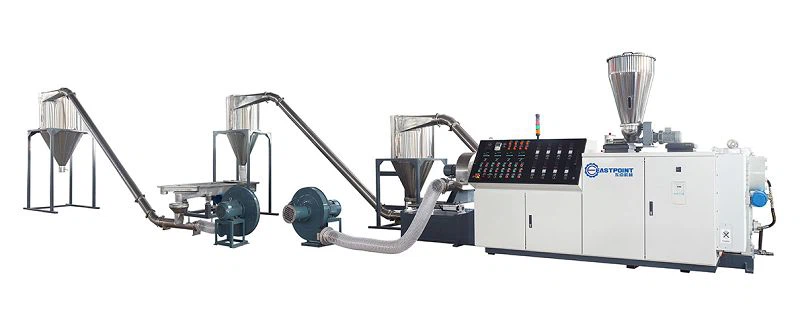
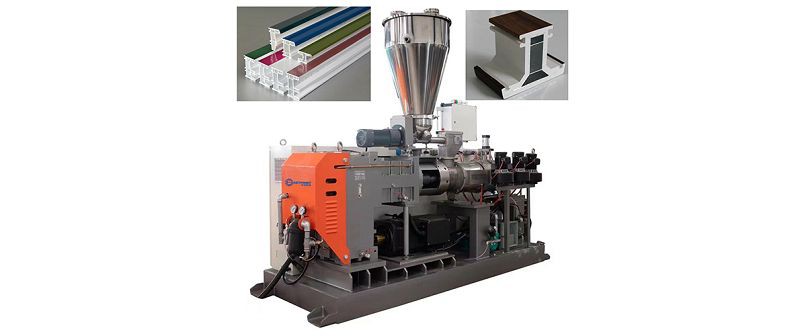
As a WPC Panel Extruder supplier, we've put a lot of effort into designing extruders that can achieve optimal temperature distribution. Our extruders are equipped with high - quality temperature sensors and advanced control systems. We use the latest technology to ensure that the temperature in each zone of the extruder barrel can be precisely controlled.
We also offer different models of extruders to suit different production needs. Whether you're a small - scale manufacturer looking for a compact extruder or a large - scale factory in need of a high - capacity machine, we've got you covered.
In addition to our WPC Panel Extruder, we also have other related products like Wood Plastic Machine, PVC Door Panel Extrusion Line, WPC Door Extruder, and PVC Door Panel Production Line. These products are all designed to provide high - quality and efficient production solutions for the panel manufacturing industry.
Contact Us for More
If you're interested in our products or if you have any questions about the temperature distribution in the extrusion process, don't hesitate to reach out. We're here to help you make the most out of your production. Whether you're just starting in the WPC panel manufacturing business or looking to upgrade your existing equipment, we can provide you with the right solutions. So, let's get in touch and start a great partnership!