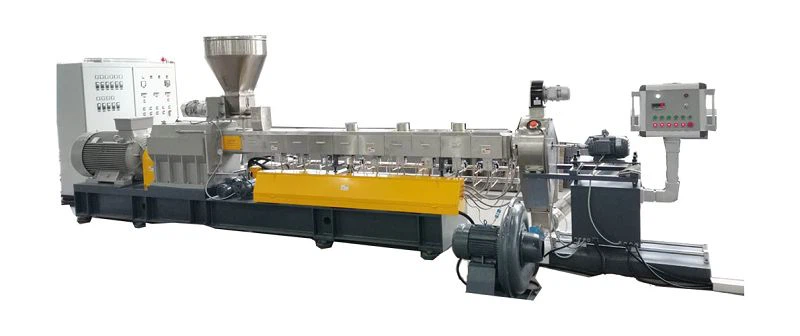
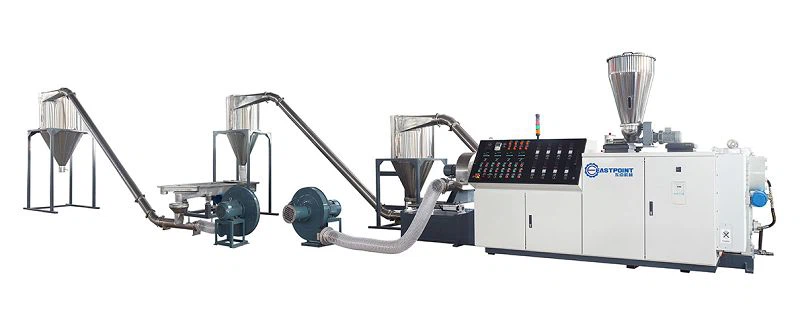
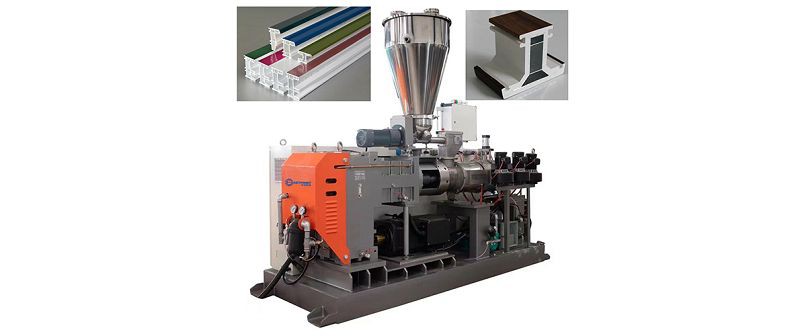
Hey there! As a supplier of Pellet Extrusion Lines, I often get asked about the quality inspection process for these lines. It's a crucial part of ensuring that the equipment we provide meets the highest standards and performs optimally for our customers. In this blog post, I'll walk you through the step-by-step quality inspection process for a Pellet Extrusion Line.
Pre - production Inspection
Before we even start manufacturing the Pellet Extrusion Line, we conduct a pre - production inspection. This involves carefully reviewing the design specifications. We check if the design meets the customer's requirements in terms of throughput, pellet size, and material compatibility.
We also evaluate the raw materials that will be used in the production. For example, the steel used for the extruder barrels should have high - quality properties like corrosion resistance and high strength. We source our raw materials from trusted suppliers and verify their quality certificates. This helps us avoid any potential issues that could arise during production or later in the line's operation.
In - process Inspection
Once the production of the Pellet Extrusion Line begins, in - process inspection becomes a key activity. At every major manufacturing stage, we have quality control personnel on - site.


Mechanical Components Inspection
For the mechanical parts such as the screws, barrels, and gearboxes, we use a variety of tools. Calipers are used to measure the dimensions of the screws to ensure they match the design blueprint. Any deviation could lead to improper extrusion and affect the quality of the pellets.
We also perform hardness tests on the mechanical components. A hardness tester is used to check if the hardness of the parts is within the acceptable range. This is important because parts that are too soft may wear out quickly, while overly hard parts could be brittle and prone to cracking.
Electrical System Inspection
The electrical system of the Pellet Extrusion Line is inspected for proper wiring and component installation. We check if all the electrical connections are secure and free from any loose ends. This is crucial for safety reasons, as loose connections can lead to electrical shorts and potential fires.
We also test the functionality of the control panels. We simulate different operating conditions to ensure that the control system can accurately adjust parameters such as temperature, speed, and pressure. For example, we might set a specific temperature on the control panel and then check if the heating elements in the extruder reach and maintain that temperature.
Assembly Inspection
After all the individual components are manufactured, they are assembled to form the complete Pellet Extrusion Line. During the assembly process, we conduct another round of inspections.
We check the alignment of the different components. For instance, the extruder screw should be properly aligned with the barrel. Misalignment can cause uneven wear on the screw and barrel, reducing the efficiency of the extrusion process.
We also inspect the installation of auxiliary equipment such as the pelletizers, conveyors, and cooling systems. These pieces of equipment need to be correctly installed and integrated with the main extruder to ensure smooth operation.
Pre - shipment Inspection
Once the Pellet Extrusion Line is fully assembled and tested, a pre - shipment inspection is carried out. This is a comprehensive check to make sure everything is in perfect working order before the line is shipped to the customer.
Performance Testing
We run the Pellet Extrusion Line for an extended period under different operating conditions. This allows us to evaluate its performance in terms of throughput, pellet quality, and energy consumption. We measure the output rate of the line and compare it to the design specifications.
We also analyze the quality of the pellets produced. We check the pellet size, shape, and density. Any variations from the expected values could indicate issues with the extrusion process, such as improper temperature control or screw speed.
Safety Checks
We conduct a thorough safety check of the entire line. This includes checking the emergency stop buttons, safety guards, and grounding systems. All safety features should be working properly to protect the operators from potential hazards.
Post - installation Support
Even after the line is installed at the customer's site, our quality inspection doesn't end. We provide on - site support to ensure that the line is operating correctly. Our technicians can help with the final calibration of the equipment and provide training to the operators.
We also offer regular follow - up services to monitor the performance of the line over time. If any issues are detected, we can quickly provide solutions to keep the line running smoothly.
Different Types of Pellet Extrusion Lines
There are several types of Pellet Extrusion Lines available, each with its own specific quality inspection requirements.
- PE Pelletizing Line: This line is used for producing PE pellets. The inspection for this type of line focuses on the compatibility of the equipment with PE materials. We need to ensure that the temperature control system can handle the melting point of PE and that the pelletizing process can produce uniform PE pellets.
- Color Masterbatch Extrusion Line: For color masterbatch production, color dispersion is a critical factor. During the quality inspection, we check if the color is evenly distributed in the pellets. We also test the color fastness of the masterbatch to ensure it meets the customer's requirements.
- PVC Pelletizing Line: PVC is a sensitive material, and the quality inspection for a PVC Pelletizing Line needs to be very strict. We pay special attention to the temperature and pressure control during the extrusion process to prevent PVC decomposition. We also check the plasticizing effect of the PVC to ensure high - quality pellet production.
Why Quality Inspection Matters
Quality inspection is the backbone of our business. By providing high - quality Pellet Extrusion Lines, we can ensure customer satisfaction. A well - inspected line will have fewer breakdowns, lower maintenance costs, and higher productivity.
It also helps us build a good reputation in the market. Customers trust us because they know that we take quality seriously. In a competitive industry, quality is what sets us apart from other suppliers.
Contact Us for Your Pellet Extrusion Line Needs
If you're in the market for a Pellet Extrusion Line, whether it's a PE Pelletizing Line, a Color Masterbatch Extrusion Line, or a PVC Pelletizing Line, we're here to help. Our experienced team can guide you through the selection process and ensure that you get the right line for your specific needs. Don't hesitate to reach out to us to start a procurement discussion.