Selecting the right motor for a PVC Pelletizing Line is a crucial decision that can significantly impact the efficiency, productivity, and overall performance of your production process. As a PVC Pelletizing Line supplier, I understand the importance of this choice and have witnessed firsthand how the wrong motor can lead to costly downtime, increased maintenance, and subpar product quality. In this blog post, I will guide you through the key factors to consider when choosing a motor for your PVC Pelletizing Line, ensuring that you make an informed decision that meets your specific needs.
Understanding the Basics of PVC Pelletizing Lines
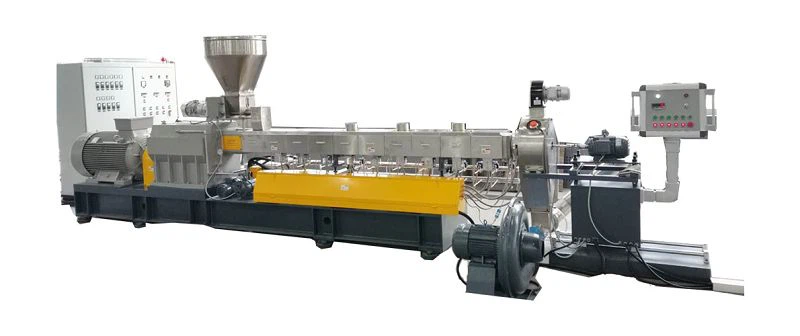
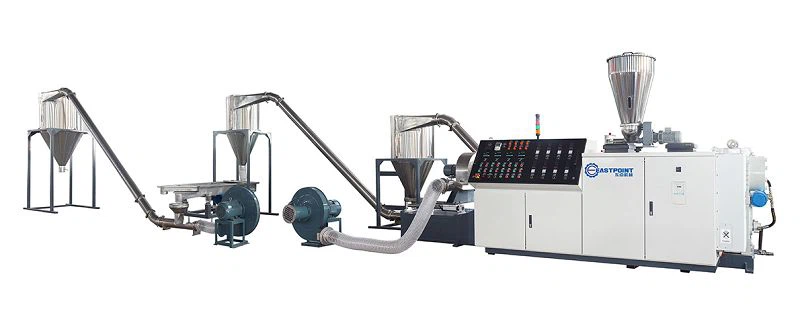
Before delving into the motor selection process, it's essential to have a basic understanding of how PVC Pelletizing Lines work. A PVC Pelletizing Line is a complex system that transforms PVC resin into small, uniform pellets. The process typically involves several stages, including feeding, melting, mixing, extrusion, and pelletizing. Each stage requires precise control and a reliable power source to ensure consistent and high-quality output.
The motor plays a critical role in driving the various components of the PVC Pelletizing Line, such as the extruder screw, the pelletizer, and the conveyor belts. It provides the necessary torque and speed to move the PVC material through the system and shape it into pellets. Therefore, choosing the right motor is essential for maintaining optimal production efficiency and product quality.
Key Factors to Consider When Choosing a Motor
Power Requirements
The first step in choosing the right motor for your PVC Pelletizing Line is to determine the power requirements of your system. This will depend on several factors, including the size of the line, the production capacity, and the specific processes involved. Generally, larger lines with higher production capacities will require more powerful motors to drive the equipment.
To calculate the power requirements of your PVC Pelletizing Line, you need to consider the following:
- Extruder Screw Torque: The extruder screw is responsible for melting and mixing the PVC resin. The torque required to drive the screw depends on the size of the screw, the material being processed, and the desired output rate.
- Pelletizer Power: The pelletizer is used to cut the extruded PVC material into small pellets. The power required for the pelletizer depends on the cutting speed, the size of the pellets, and the material being processed.
- Conveyor Belt Power: The conveyor belts are used to transport the PVC pellets from one stage of the process to the next. The power required for the conveyor belts depends on the length of the belts, the speed of the belts, and the weight of the pellets being transported.
Once you have determined the power requirements of your PVC Pelletizing Line, you can choose a motor with a suitable power rating. It's important to choose a motor that can provide enough power to meet the demands of your system without being oversized, as this can lead to increased energy consumption and higher operating costs.
Speed and Torque Requirements
In addition to power requirements, you also need to consider the speed and torque requirements of your PVC Pelletizing Line. The speed of the motor will determine the rate at which the PVC material is processed, while the torque will determine the force required to move the material through the system.
The speed and torque requirements of your PVC Pelletizing Line will depend on several factors, including the type of PVC resin being processed, the desired output rate, and the specific processes involved. For example, if you are processing a high-viscosity PVC resin, you may need a motor with a higher torque to ensure that the material can be properly melted and mixed.
When choosing a motor for your PVC Pelletizing Line, it's important to choose a motor that can provide the required speed and torque at a reasonable cost. You may also need to consider the motor's speed control capabilities, as this can allow you to adjust the speed of the motor to meet the specific needs of your production process.
Motor Type
There are several types of motors available for PVC Pelletizing Lines, each with its own advantages and disadvantages. The most common types of motors used in PVC Pelletizing Lines include:
- AC Motors: AC motors are the most widely used type of motor in PVC Pelletizing Lines. They are relatively simple and reliable, and they can provide a wide range of speeds and torques. AC motors are also relatively inexpensive to purchase and maintain.
- DC Motors: DC motors are less common in PVC Pelletizing Lines, but they can be a good choice for applications that require precise speed control. DC motors can provide a higher torque at low speeds, which can be useful for starting and stopping the equipment. However, DC motors are more expensive to purchase and maintain than AC motors.
- Servo Motors: Servo motors are a type of DC motor that can provide precise control of speed and position. They are often used in applications that require high accuracy and repeatability, such as in the pharmaceutical and food industries. However, servo motors are more expensive than AC and DC motors, and they require more complex control systems.
When choosing a motor for your PVC Pelletizing Line, you need to consider the specific requirements of your application and choose the motor type that best meets your needs. You may also need to consult with a motor manufacturer or supplier to determine the most suitable motor for your PVC Pelletizing Line.
Efficiency and Energy Consumption
In today's energy-conscious world, it's important to choose a motor that is energy-efficient and can help you reduce your operating costs. The efficiency of a motor is measured by its power factor, which is the ratio of the real power (the power used to do work) to the apparent power (the total power consumed by the motor). A motor with a high power factor will consume less energy and be more efficient than a motor with a low power factor.
When choosing a motor for your PVC Pelletizing Line, you should look for a motor with a high power factor and a low energy consumption. You may also want to consider using a variable frequency drive (VFD) to control the speed of the motor, as this can further improve the energy efficiency of your system.
Environmental Considerations
In addition to efficiency and energy consumption, you also need to consider the environmental impact of the motor you choose. Some motors may require the use of hazardous materials or may produce harmful emissions during operation. Therefore, it's important to choose a motor that is environmentally friendly and complies with all relevant environmental regulations.


When choosing a motor for your PVC Pelletizing Line, you should look for a motor that is designed to be energy-efficient and environmentally friendly. You may also want to consider using a motor that is made from recycled materials or that can be easily recycled at the end of its life.
Maintenance and Reliability
Finally, you need to consider the maintenance and reliability of the motor you choose. A motor that requires frequent maintenance or that is prone to breakdowns can lead to costly downtime and lost production. Therefore, it's important to choose a motor that is reliable and easy to maintain.
When choosing a motor for your PVC Pelletizing Line, you should look for a motor that is designed to be durable and reliable. You may also want to consider using a motor that has a long warranty and that is backed by a reputable manufacturer or supplier.
Conclusion
Choosing the right motor for a PVC Pelletizing Line is a critical decision that can significantly impact the efficiency, productivity, and overall performance of your production process. By considering the key factors outlined in this blog post, you can make an informed decision that meets your specific needs and ensures the long-term success of your PVC Pelletizing Line.
If you are in the market for a PVC Pelletizing Line or need help choosing the right motor for your existing line, please don't hesitate to contact us. Our team of experts has extensive experience in the industry and can provide you with the guidance and support you need to make the right choice. We also offer a wide range of PVC Pelletizing Lines, as well as Color Masterbatch Extrusion Lines and PE Pelletizing Lines, to meet the needs of various industries. Contact us today to learn more about our products and services and to discuss your specific requirements.