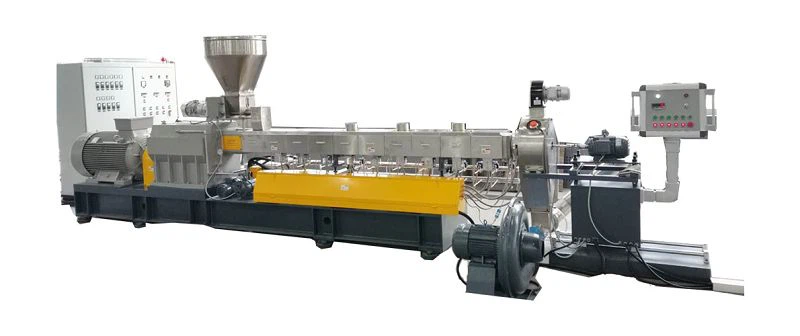
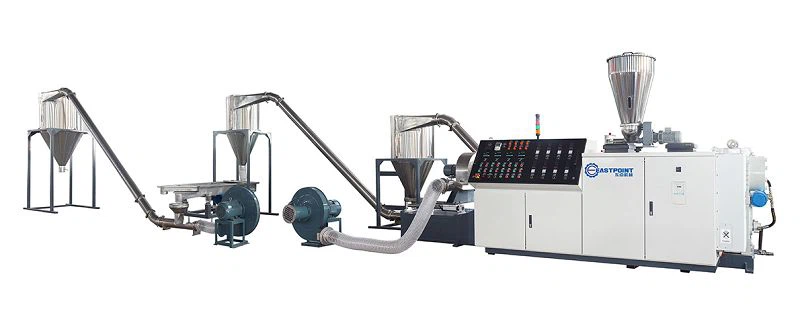
Operating a Pellet Extrusion Line can be quite a rollercoaster ride. As a supplier of these lines, I've seen firsthand the various challenges that come with running them smoothly. In this blog, I'll share some of the most common hurdles and how you can tackle them.
1. Raw Material Variability
One of the biggest headaches in operating a Pellet Extrusion Line is dealing with raw material variability. Different batches of the same raw material can have different properties like moisture content, particle size, and chemical composition. This can mess up the extrusion process big time. For example, if the moisture content is too high, it can cause bubbles in the pellets, leading to poor quality.
When you're using a Color Masterbatch Extrusion Line, the colorants in the raw material can also vary. If the colorant particles are not evenly distributed in the batch, you'll end up with inconsistent color in the pellets. This is a major issue, especially if you're producing pellets for applications where color uniformity is crucial, like in the automotive or consumer goods industries.
To deal with this, it's important to have a strict quality control system in place for incoming raw materials. You should test each batch for key properties before using it in the extrusion process. Also, make sure to use proper blending techniques to ensure uniform distribution of all components in the raw material mixture.


2. Equipment Wear and Tear
The components of a Pellet Extrusion Line, such as the screws, barrels, and dies, are subjected to a lot of stress and friction during operation. Over time, this leads to wear and tear. When the screws start to wear out, they may not be able to convey and melt the raw material efficiently. This can result in reduced output, uneven melting, and even damage to the equipment.
For instance, in a PE Pelletizing Line, the continuous extrusion of polyethylene can cause abrasion on the screw surface. This not only affects the performance of the line but also increases the energy consumption.
Regular maintenance is the key to combating this challenge. You should have a maintenance schedule that includes cleaning, lubrication, and inspection of all equipment components. Replace worn - out parts as soon as possible to avoid major breakdowns.
3. Temperature Control
Temperature plays a crucial role in the pellet extrusion process. If the temperature is too low, the raw material won't melt properly, resulting in poorly formed pellets. On the other hand, if it's too high, the material may degrade, leading to a change in its properties and a loss of quality.
In a PVC Pelletizing Line, PVC is highly sensitive to temperature. Overheating can cause dehydrochlorination, which can lead to discoloration and reduced mechanical properties of the pellets.
To maintain proper temperature control, you need to use advanced temperature sensors and control systems. These systems can monitor the temperature at different points in the extrusion line and adjust the heating and cooling mechanisms accordingly. Also, conduct regular calibration of the temperature sensors to ensure accurate readings.
4. Die Design and Clogging
The die is an important part of the Pellet Extrusion Line as it determines the shape and size of the pellets. However, die design can be tricky. If the die is not designed correctly, it can cause issues like non - uniform flow of the molten material, which leads to inconsistent pellet size and shape.
Moreover, the die can get clogged with residual material over time. This not only affects the production speed but also requires frequent cleaning, which can be time - consuming and costly.
To address this, work with experienced die designers who can create a die that is optimized for your specific raw material and production requirements. Also, use anti - clogging coatings on the die surface and establish a regular cleaning routine.
5. Energy Consumption
Running a Pellet Extrusion Line requires a significant amount of energy. The heating elements, motors, and other components all consume power. High energy consumption not only increases your operating costs but also has an environmental impact.
To reduce energy consumption, you can invest in energy - efficient equipment. For example, use motors with high - efficiency ratings and install energy - recovery systems. These systems can capture and reuse the heat generated during the extrusion process, reducing the overall energy demand.
6. Staff Training and Skills
Operating a Pellet Extrusion Line requires a certain level of technical knowledge and skills. If your staff is not properly trained, they may make mistakes that can lead to production issues. For example, improper operation of the control panel can cause incorrect parameter settings, resulting in poor - quality pellets.
Provide comprehensive training to your staff on the operation, maintenance, and troubleshooting of the extrusion line. Regularly update their skills to keep up with the latest technological advancements in the industry.
Conclusion
Operating a Pellet Extrusion Line comes with its fair share of challenges. However, with the right strategies and solutions, you can overcome these hurdles and ensure smooth and efficient production. As a supplier, we're here to support you every step of the way. If you're facing any of these challenges or if you're considering purchasing a Pellet Extrusion Line, don't hesitate to reach out for a consultation. We can help you find the best solutions for your specific needs.